
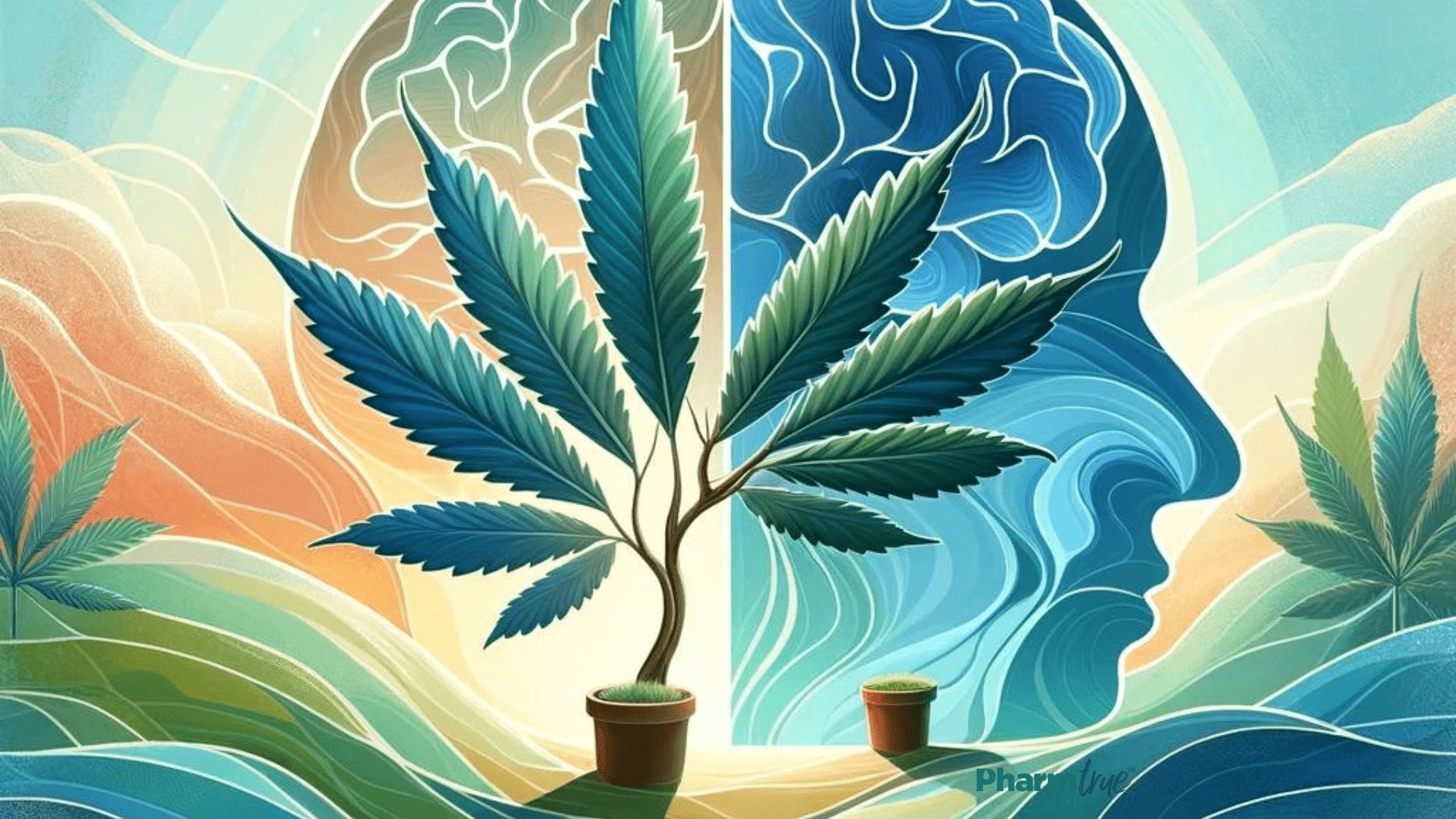
Introduction to Cannabis and Mental Health
The relationship between cannabis, mental health, and cognitive functioning is a topic of growing interest and importance in both clinical practice and public discourse. With the increasing use of cannabis for both medical and recreational purposes, it is crucial to understand its many-sided impact on mental health and cognitive processes.
Cannabis and Adolescent Brain Development
Recent studies have highlighted concerns regarding cannabis use in adolescents, linking it to cognitive deficits in attention, memory, and executive functioning. However, it’s equally important to recognize the therapeutic potential in specific conditions like epilepsy and autism. This duality shows the need for careful evaluation and expert guidance in young individuals considering cannabis use.
Cannabis and Mental Health: Anxiety, and PTSD
Cannabis has been increasingly recognized for its potential in treating anxiety and PTSD. The high density of CB1 receptors in the brain’s amygdala and sympathetic nervous system may explain cannabis’s efficacy in modulating anxiety and stress responses. Clinical experiences and studies suggest that cannabinoids can aid in wiping out traumatic memories, providing relief in conditions resistant to traditional treatments. Cannabis for PTSD: A Comprehensive Guide to the Harmony Treatment Algorithm
The Dual Nature of Cannabis
Understanding the dual nature of cannabis is crucial in its application for mental health. While lower doses of THC can have anti-anxiety effects, higher doses may induce anxiety and paranoia. In contrast, CBD has shown promising anti-anxiety effects in clinical studies. This highlights the importance of personalized treatment approaches considering individual responses and the specific cannabinoid profile.
Cannabis and Cognitive Functioning
There is a broad consensus that acute intoxication with cannabis can cause cognitive deficits. However, the residual effects after intoxication are less clear. Some studies indicate that chronic cannabis use in adults shows small effects on certain cognitive skills, which diminishes when sopped. These studies demonstrate the true potential of cannabis in the mental health field, as opposed to the promotion of the stigma against use by various competitive agendas (Big Pharma, Tobacco, Alcohol).
Medical vs. Recreational Cannabis Use
Differences in cognitive functioning and brain activation between medical and recreational cannabis users have been observed. Medical cannabis users, typically older and consuming lower THC levels, have shown improvements in executive functioning measures and changes in brain patterns after treatment.
Conclusion
While the causal link between cannabis use and cognitive and mental health outcomes is not firmly understood, it is evident that cannabis is a psychoactive substance with complex effects. Especially for adolescents and individuals with a family history of psychosis or substance use problems, we recommend careful use. However, in specific cases like PTSD and certain anxiety disorders, cannabis offers a valuable healing tool.
Key Takeaways for Cannabis and Mental Health
- Adolescent Concerns: Cannabis can impact cognitive development in adolescents but has therapeutic uses in conditions like epilepsy and autism.
- Anxiety and PTSD: Cannabis can help with anxiety and PTSD, but dosage matters.
- Dual Nature: THC and CBD have different effects, meaning it is best to tailor treatment to each individual case.
- Cognitive Impact: Acute intoxication affects cognition; chronic use effects are less clear.
- Medical vs. Recreational Use: Medical users may experience cognitive benefits.
By understanding these aspects, we can better navigate the use of cannabis in improving mental health while being mindful of its potential risks.