
Introduction
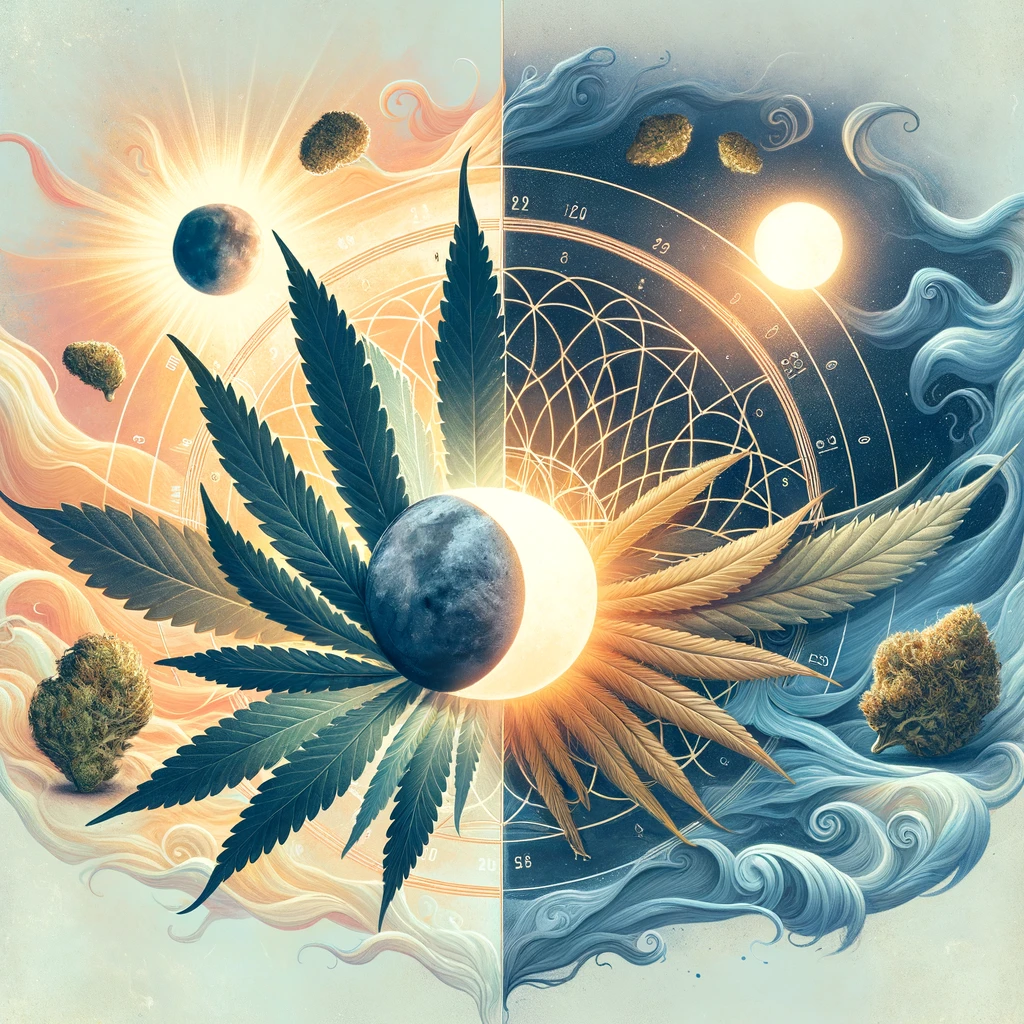
In our relentless pursuit to elevate human health, we explore the pivotal role of light in regulating biological rhythms. Significantly, Dr. Samer Hattar’s groundbreaking research on circadian rhythms and cannabis, as discussed in the Huberman Lab Podcast, offers profound insights into the intertwined effects of light and cannabis on our sleep, mood, and overall wellbeing.
The Science of Light and Circadian Rhythms
Remarkably, Dr. Hattar’s discovery of light-sensitive neurons has revolutionized our understanding of neuroscience. These neurons are instrumental in setting our internal circadian clock, influencing our sleep patterns, immune responses, mood, and metabolic functions.
Circadian Misalignment and Health
Alarmingly, when our daily activities, including sleep and exercise, are out of sync with our circadian rhythms, our health can significantly deteriorate. Therefore, aligning our lifestyle with natural light patterns becomes imperative for optimal health.
The Subconscious Influence of Light
Intriguingly, the process of circadian photoentrainment, driven by light, is predominantly subconscious, impacting our physiology beyond mere vision.
Adjusting Our Internal Clocks
Interestingly, our circadian clock, slightly exceeding a 24-hour cycle, necessitates daily sunlight exposure for precise alignment, preventing a drift from our natural rhythm.
Beyond Circadian Rhythms: Light’s Broader Impact
Besides regulating our circadian clock, light plays a crucial role in modulating mood, alertness, and metabolic processes through its non-visual effects.
Optimizing Light Exposure: Strategies
- Morning Light: Sets the circadian rhythm, boosting mood and alertness.
- Midday Light Exposure: Fulfills our light need, essential for mood regulation and healthy sleep patterns.
- Evening Light Management: Minimizing exposure to intense, especially blue light from screens, aids in aligning with natural sleep cycles.
- Navigating Artificial Light: Balancing light exposure with natural rhythms is key.
The Role of Cannabis in Supporting Sleep and Circadian Rhythms
Equally important, cannabis plays a significant role in optimizing sleep and overall health. The medicinal properties of cannabis, especially regarding sleep, have been recognized for centuries in medical literature.
Cannabis: Aiding Sleep Through Symptom Relief
Unlike conventional hypnotic drugs, cannabis doesn’t induce sleep directly. Instead, it alleviates symptoms that impede restful sleep, such as anxiety and pain, thus facilitating a more natural sleep onset. Additionally, it complements non-pharmacological sleep aids like meditation and breathing exercises.
Cannabis and Sleep Architecture
Clinical studies show diverse effects of cannabis compounds, such as THC and CBD, on sleep. Lower doses of CBD might disrupt sleep in some, while higher doses generally improve it. THC, in optimal doses, typically does not disturb sleep architecture and has shown promise in enhancing sleep among chronic pain sufferers.
Practical Approaches to Cannabis for Sleep
For those experiencing sleep disturbances, THC-dominant cannabis is often recommended. Inhaled cannabis before bedtime effectively addresses sleep onset issues and restless leg syndrome. Oral forms, preferred for prolonged effects, should be considered for maintaining sleep.
Conclusion
As we continue to explore the synergistic effects of light and cannabis on circadian rhythms, it becomes clear that these natural elements are powerful tools in our quest for better health and wellbeing. At Pharmtrue, we’re committed to harnessing these elements to offer holistic health solutions.