
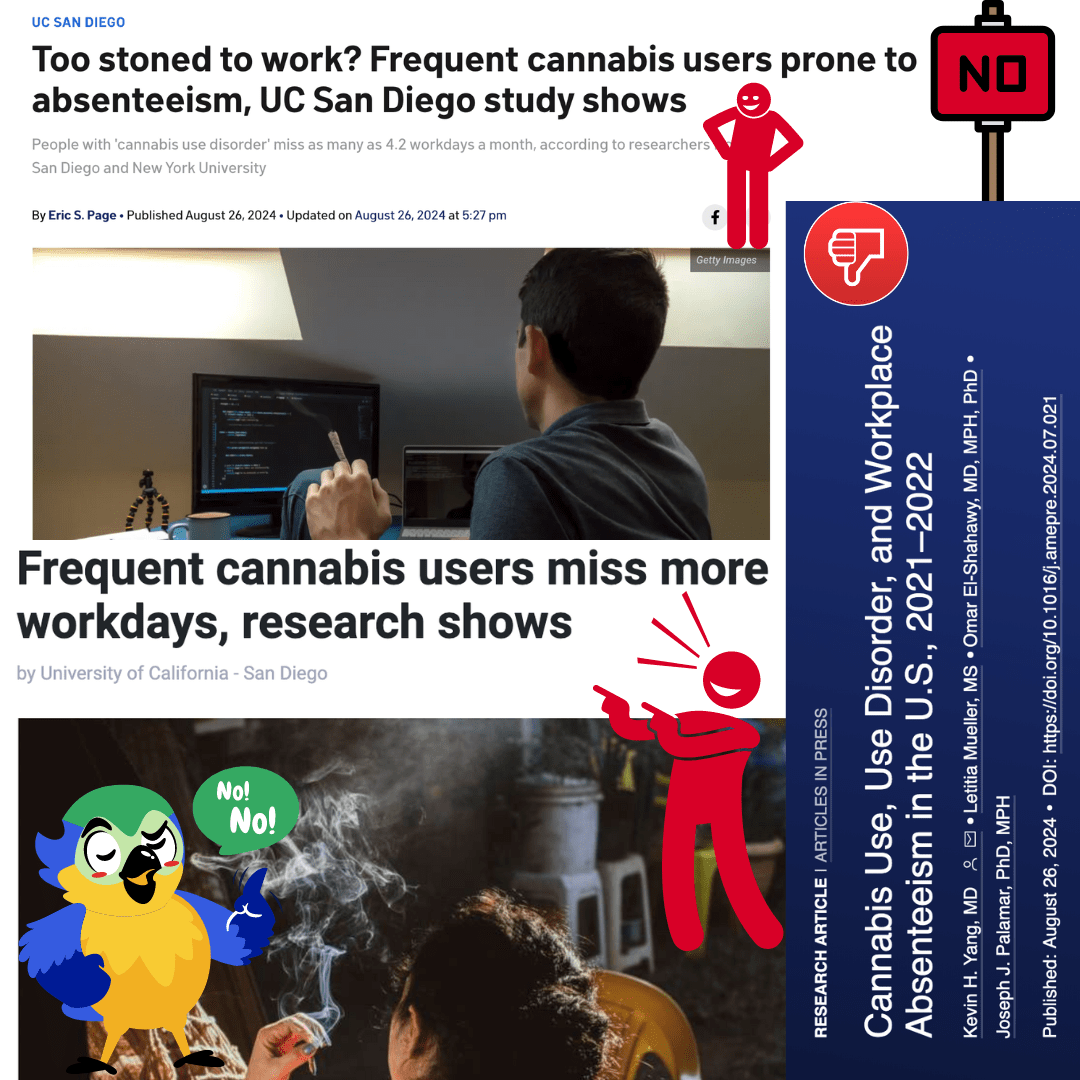
Cannabis is often misunderstood, especially when it comes to its effects on work. Recently, a headline claimed that cannabis users are more likely to miss work. But how much truth is there to this? Let’s dive in and separate fact from fiction.
Myth: Cannabis Users Are Frequently Absent from Work
A recent study from UC San Diego and NYU suggests that people with Cannabis Use Disorder (CUD) miss more workdays than those who don’t use cannabis. The study claims that these individuals miss up to 4.2 workdays a month. Sounds alarming, right? However, let’s look closely at what this study really tells us.
The Flaws in the Study
Firstly, the study is based on self-reported data, which is not always reliable. Participants might not remember accurately or could have different interpretations of the questions. Additionally, the study was conducted during a time when many people were working from home due to the COVID-19 pandemic. This alone could have affected the results. How do employers know their employees’ medical history? That’s protected by the Americans with Disabilities Act, making the study’s claims questionable.
A Different Perspective
On the other hand, a recent study from JAMA Network found that 17% of primary care patients use cannabis, mainly for managing symptoms like pain and stress. Importantly, most of these patients do not identify as medical cannabis users, even though they use cannabis for health reasons. This shows that cannabis use is often about managing health, not avoiding work.
Success Story: Medical Cannabis and Comfort at Work
Arturo (name changed for privacy), a patient with a history of severe GERD and back pain, was facing an upcoming surgery with a daunting recovery period. As someone who had struggled with irritability and constant pain, Arturo found traditional medications like Ambien inadequate, particularly as they came with undesirable side effects. Over a year and a half of cannabis use, however, Arturo discovered a significant improvement in his quality of life, especially at work. By incorporating a 1:1 cannabis gummy into his daily regimen, he managed to alleviate his irritability and maintain a more balanced mood throughout the workday.
This approach not only made his work more tolerable but also reduced his dependence on stronger medications. Post-surgery, Arturo continued to use a cannabis tincture to manage pain and discomfort, finding it effective without compromising his ability to function during the day. His story illustrates how medical cannabis can be an invaluable tool in improving workplace comfort and overall quality of life, especially for those dealing with chronic conditions.
Why Cannabis Use Disorder Is Overblown
Critics often argue that the diagnosis of Cannabis Use Disorder (CUD) is too broad and doesn’t reflect actual harm. Recently, we debunked headlines from a study claiming those diagnosed with CUD are more likely to develop head and neck cancers. Researchers at Rutgers and other experts contend that CUD measurement unfairly corners individuals into a negative health narrative. At Pharmtrue, we fully agree and commit to changing this narrative. It’s crucial to recognize that the term “disorder” can mislead and often paints cannabis in a negative light.
Cannabis and Work Performance: The Real Story
Cannabis, like any substance, can affect people differently due to various factors such as individual tolerance, metabolism, and previous exposure. When used responsibly for medical purposes, cannabis should not be automatically associated with poor job performance or absenteeism. It is important to acknowledge that demonizing cannabis to an extreme degree based on outdated stereotypes and misinformation is not an ideal or responsible approach.
As more research is conducted, it becomes increasingly evident that cannabis can be a valuable tool in managing certain health conditions that could otherwise hinder individuals from functioning effectively in their professional lives. The potential for pain relief, stress management, and improved sleep quality are among the reasons why some individuals turn to cannabis, as it can contribute to their overall well-being and, in turn, help them maintain productivity in the workplace. Beyond its recreational use, cannabis continues to demonstrate its potential as a therapeutic aid for various medical needs, opening new possibilities for maintaining a balanced and productive lifestyle.
The Bigger Picture: Who’s Behind the Headlines?
It’s no secret that some industries feel threatened by cannabis acceptance. Pharmaceutical companies, in particular, risk losing profits. As more people turn to cannabis for relief, these companies stand to lose customers. They have a vested interest in keeping cannabis’ image negative. They prefer communities remain dependent on their products. Big pharma solutions often have harsher long-term side effects, including opioids, benzodiazepines, muscle relaxers, and sleep aids.
Conclusion: Think Independently, Act Responsibly
At Pharmtrue, we believe in the power of education and independent thinking. Don’t let sensational headlines shape your views on cannabis. Instead, look at the evidence, understand the motives behind the messages, and make informed decisions. Cannabis, when used responsibly, can be a powerful tool for health and wellness, not a hindrance to work.
Call to Action
If you’re curious about how cannabis might help you manage stress, pain, or other health issues, visit us at Pharmtrue today. We’re here to provide you with the information and products you need to make the best choices for your health.