
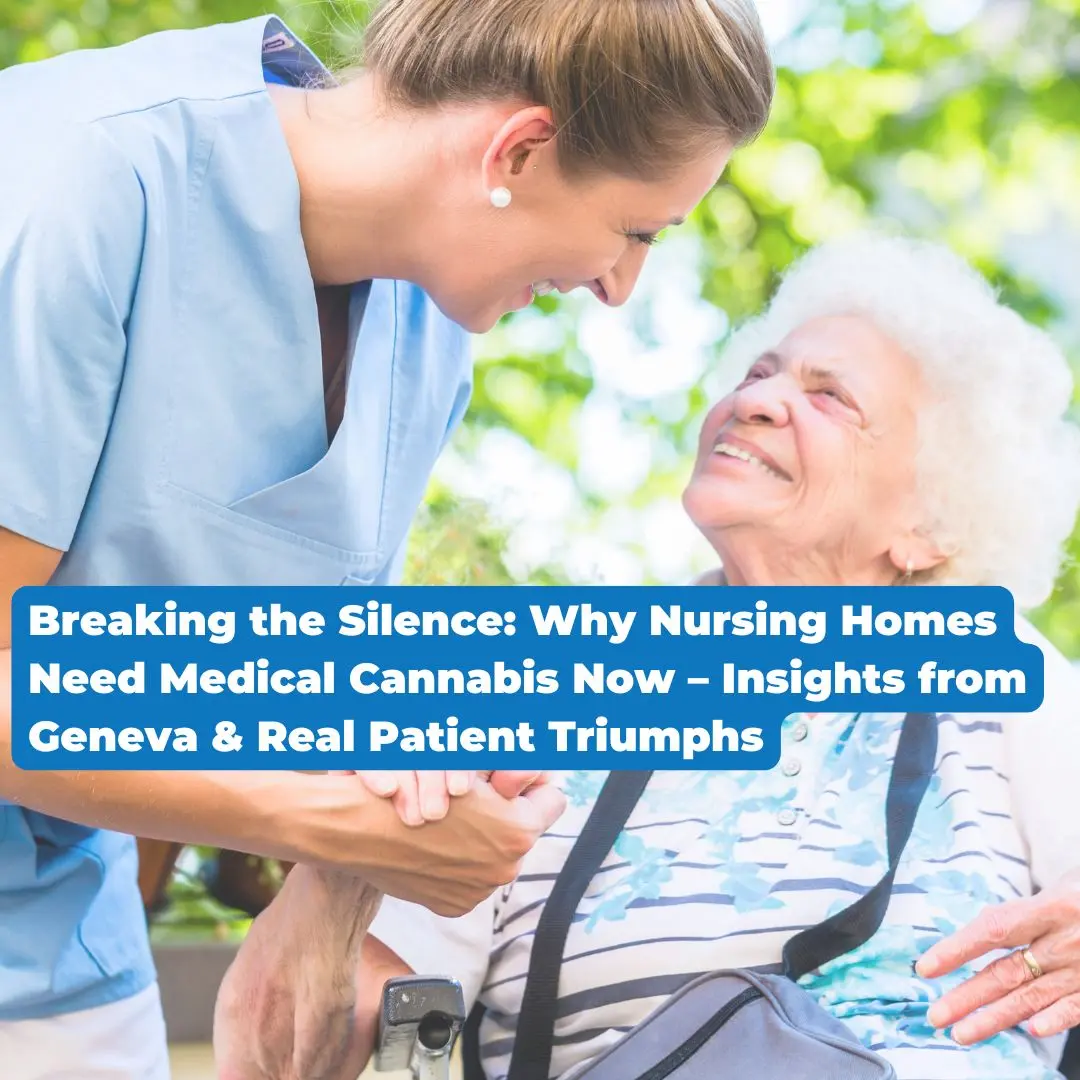
The Crisis in Long-Term Care: A System in Desperate Need of Reform
Imagine watching your loved one suffer—medicated into sedation, experiencing distressing side effects, or struggling with mobility challenges. For too many older adults in nursing homes, this is their daily reality. Standard treatments for conditions like dementia, Parkinson’s, as well as chronic pain often involve excessive doses of antipsychotics, antidepressants, and analgesics, which come with debilitating side effects. But an emerging body of research, along with real-world success stories, is proving that medical cannabis offers a powerful alternative for nursing homes and long-term care—one that improves quality of life while reducing pharmaceutical dependency.
The Geneva Study: A Game-Changer for Dementia Care
A landmark study in Geneva (Broers et al., 2019) found that a THC/CBD oral medication significantly improved behavioral and cognitive symptoms in individuals with severe dementia:
- 40% decrease in agitation and distress (Neuropsychiatric Inventory scores)
- 50% reduction in rigidity (Parkinson’s Disease Rating Scale)
- Fewer psychotropic medications needed
- Easier daily care and improved staff morale
Patients received a controlled 9mg THC/18mg CBD daily dose via cannabis oil, which led to improved mood, reduced distress, and enhanced social interaction. Staff noted that individuals were easier to care for, smiled more, and showed a renewed sense of calm.
Real-World Impact: A Case for Change
One case in New Mexico, treated by Dr. Joaquin Acosta at Pharmtrue, particularly mirrors these findings. An older adult receiving home care experienced severe Parkinson’s-related tremors, distressing hallucinations, and extreme sleep disruption. After being placed on a cocktail of antipsychotics and antidepressants, their condition worsened—causing significantly more hallucinations, anxiety, and distress.
After careful evaluation, a personalized cannabis protocol was introduced:
The Pharmtrue Solution:
- Daytime: 20:1 CBD:THC tincture (60mg CBD/3mg THC) to calm tremors without sedation, gradually tapering up to 9mg THC as tolerated.
- Nighttime: 10:5:1 CBD:CBG:THC gummies for deep sleep in addition to sustained agitation and tremor control.
- Emergency: 100mg-200mg CBD “rescue doses” specifically for acute anxiety.
This approach was based on a careful analysis of the resident’s deteriorating condition following the addition of traditional medications. We found the new medications successfully controlled their tremors but led to unbearable hallucinations. After thorough discussions with caregivers and medical professionals, the decision was made to introduce a structured cannabis regimen while carefully tapering the problematic pharmaceuticals.
Within 8 weeks, the resident’s tremors decreased by 70%, their hallucinations faded, and they began sleeping through the night—all while reducing their reliance on pharmaceutical sedatives. This process required close monitoring, collaboration with their neurologist, and a deliberate, controlled approach to ensure safety and efficacy.
But here’s the real takeaway:
This person was incredibly fortunate. Their caregiver noticed the changes, advocated for them, and sought out a different approach when everything else had failed. How many people in long-term care facilities—whether in nursing homes, assisted living, or living independently—don’t have someone in their corner? Who will recognize the status changes in their condition? Who will be there to push for better care when they’re not around?
Far too often, best interests are misunderstood or overlooked, leading to unnecessary suffering. Without informed advocacy, many people are left in distress, overmedicated, and unable to access potential solutions that could vastly improve their overall quality of life.
The 3 Barriers Keeping Cannabis Out of Nursing Homes
1. Federal Prohibition: Stuck in the Schedule I Trap
Cannabis remains a Schedule I drug, classified alongside heroin. This outdated status prevents nursing homes from legally administering cannabis, even in states where it’s fully legal.
✅ Solution: State-level policy reform to allow cannabis use in long-term care facilities. Nursing homes, along with state agencies and healthcare stakeholders, must take proactive steps to establish clear policies that ensure safe, structured, and legal access to medical cannabis. The New York Department of Health’s final rule on medical marijuana in facilities offers a model: allowing nursing homes to register as designated caregivers for residents, ensuring legal protection, structured administration, and improved patient access. Other states should follow suit, crafting guidelines that ensure compliance, patient safety, and effective cannabis integration into long-term care.
2. Misconceptions About Safety
Concerns about sedation, cognitive impairment, or addiction often prevent providers from considering cannabis. In reality, the Geneva study showed no major adverse effects—only improvements in behavior, mobility, and mood.
✅ Solution: Comprehensive education and structured training programs for long-term care staff on safe cannabis administration, individualized dosing protocols, and regulatory compliance to ensure effective and responsible integration into nursing home care.
3. The Default to Overmedication
When a long-term care resident becomes agitated, restless, or anxious, the go-to response is often increasing antipsychotics and other sedatives. This cycle leads to:
- Increased fall risk
- Worsened cognitive decline
- Higher mortality rates
Cannabis offers a gentler, more effective approach—but systemic inertia keeps facilities locked into outdated, high-risk pharmaceutical routines.
✅ Solution: Cannabis should be an available option before resorting to high-risk sedatives or antipsychotics for anyone in a nursing home or long-term care facility.
A Call to Action: Fighting for Better Long-Term Care
The question isn’t “Should nursing homes allow medical cannabis?” It’s “Why are we denying older adults a safer, more effective option?”
What You Can Do:
✅ Advocate: Email your state representatives and demand cannabis policy reform in long-term care. ✅ Educate: Share this blog with healthcare providers, caregivers, and policymakers. ✅ Take Action: If you or a loved one is in a nursing home, ask administrators about cannabis policies and push for change.
Pharmtrue’s Commitment to Leading This Change
Pharmtrue is dedicated to bringing real solutions to nursing homes and long-term care—offering professional cannabis consultations, pharmacist-led education, as well as advocacy for policy reform.
📩 Book a Consultation: Learn how cannabis can safely integrate into long-term care. 📖 Download Our Guide: Navigating Cannabis in Long-Term Care (Coming Soon!)
It’s time to break the cycle of overmedication and neglect. Older adults deserve better—and together, we can make it happen.